Triple Science vs Combined Science GCSE: A Geneticist's Honest Answer (2026)
A PhD geneticist who teaches GCSE Science gives the honest, evidence-based answer most parents never hear — including the actual content difference, and exactly who benefits from Triple Science.
Not sure which path is right for your child? Book a free diagnostic with our PhD Science team — we will tell you honestly →
I hold a PhD in Genetics and an MSc from Imperial College. I have taught GCSE Science for years — and I am going to tell you something that might surprise you: most students should not do Triple Science. Not because they are not capable. Because the workload cost-benefit calculation is unfavourable for the majority of students — and the content advantage is smaller than school advice typically suggests.
Fix them.
For free.
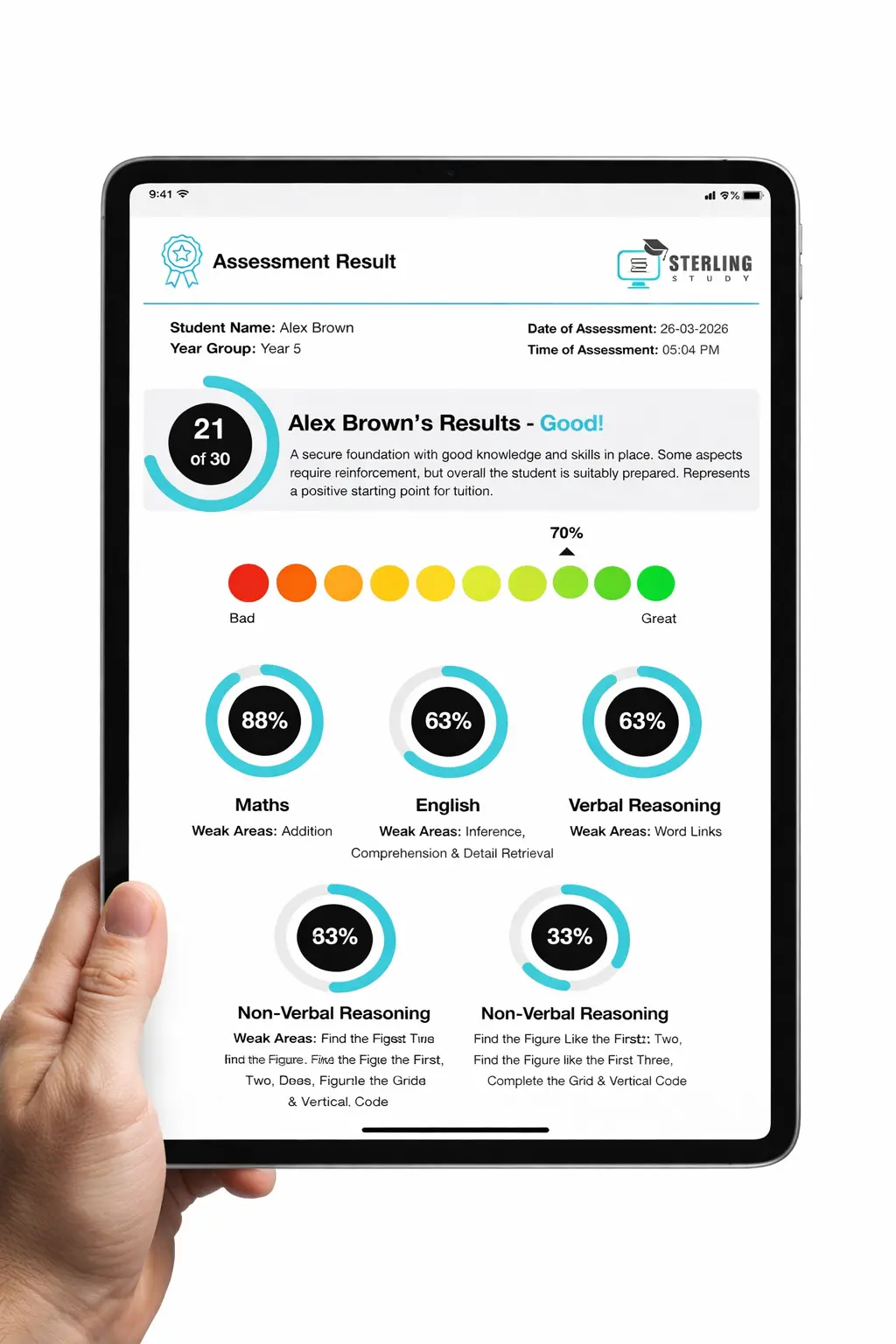
- ✓ Subject-by-subject breakdown across all Science topics
- ✓ Time-per-question analysis
- ✓ Where you stand vs grade boundaries
- ✓ Detailed PDF results sent immediately
- ✓ No strings attached
1. What Most School Advice Gets Wrong
The standard school narrative is that Triple Science is for the bright kids, and Combined Science is for everyone else. This is wrong in both directions. Triple Science is not a badge of intelligence — it is an additional workload commitment. And Combined Science is not a consolation prize — it is a rigorous qualification that opens virtually every door your child needs.
Ask your school specifically about staffing for all three Triple Science subjects. A school with exceptional Biology but mediocre Physics teaching will produce very uneven Triple results. This question is rarely asked — and it absolutely should be.
The honest reality is that A-Level Sciences teach all Triple-only content from scratch. The extra topics in Triple Science are enrichment, not essential prior knowledge. If your child is managing the curriculum load well and genuinely loves all three sciences, Triple makes sense. Otherwise, the strongest possible Combined grade is the better objective.
2. The Full Comparison — Everything in One Table
| Factor | Combined Science (Double Award) | Triple Science (Separate Sciences) |
|---|---|---|
| GCSE certificates | 2 combined certificates (e.g. 6-6) | 3 separate certificates |
| Grade range | 1-1 to 9-9 (double grade) | 1 to 9 for each subject |
| Content coverage | Core curriculum — all three sciences | ~20–25% more content per subject |
| Required for A-Level Biology? | ✅ Grade 6+ usually sufficient | ✅ Also sufficient |
| Required for Medicine? | ⚠️ Borderline — Triple strengthens | ✅ Preferred at most medical schools |
| Weekly teaching time | Standard timetable allocation | +2–3 science lessons per week |
| Revision demand | 3 pairs of papers (6 total) | 9 separate papers (3 per subject) |
| Good for A-Level Sciences? | ✅ Yes for most students | ✅ Yes — marginally stronger foundation |
3. What Triple Science Actually Adds
Both tiers cover the same six major topic areas. Triple Science goes further and deeper — and some topics do not appear in Combined at all. Here is a breakdown of what your child gains by choosing Triple:
- Monoclonal antibodies
- Plant hormones in detail
- Bacterial genetics
- Population genetics
- Electrochemistry
- More organic chemistry
- Chemical cells
- Fuel cells
- Detailed astrophysics
- More nuclear physics
- Magnetic field calculations
- Some optics
Every topic listed above is introduced again in Year 12 with no assumed knowledge from GCSE Triple Science. Triple provides enrichment and confidence — not a prerequisite head start.
4. Who Should Do Triple Science?
✅ Triple Science makes sense when…
- Student is consistently scoring 70%+ on current science assessments
- Plans to study A-Level Biology, Chemistry and/or Physics
- Has capacity to manage additional revision load without damaging other subjects
- Genuinely interested in science — not just pursuing it as a box to tick
✗ Triple Science is NOT necessary when…
- Student is currently at Grade 5–6 level
- Managing the curriculum load at current capacity
- Primary interests are arts, humanities or social sciences
- School's Triple Science teaching quality is uneven across all three subjects
5. If Your Child Is Doing Combined Science
Stop treating Combined Science as a consolation prize. It is not. A student who achieves 8-8 or 9-9 in Combined Science has demonstrated scientific understanding that will serve them excellently at A-Level. The content gaps between Combined and Triple are smaller than most parents fear, and A-Level Sciences teach the relevant Triple-only topics from scratch anyway.
“My daughter was in Combined and wanted to do A-Level Chemistry. Dr Igors explained the actual content difference — much smaller than I had feared — and focused her on getting 8-8. She did. She is now thriving in Year 12 Chemistry.”— Priya H. — Sterling Study parent
The most important variable is not Combined vs Triple — it is the grade your child achieves. A 9-9 in Combined will open more doors than a 6-6-5 in Triple. Our PhD tutors focus relentlessly on maximising the grade, whatever the route.